
Life After Chemo: The Long Term Effects on Your Body and Mind (and What Actually Helps)

Everyone tells you about the day chemo ends. The bell. The hugs. The "you made it."
What almost nobody tells you is what comes after. The tiredness that doesn't lift. The word you reach for that isn't there anymore. The way your heart races the week before a follow up scan. The quiet, confusing feeling of being "done" and somehow not done at all.
This topic is personal for me. At 46, I was diagnosed with stage 4 breast cancer. I spent hours researching my treatments and what they might do to my body, because no one in my life, not one friend or family member, had walked this road before me. I was figuring it out alone. I wrote this so you don't have to.
If that's where you are, I want you to hear this first: you are not imagining it, you are not ungrateful, and you are not broken. Chemotherapy is powerful medicine, and powerful medicine leaves footprints. Understanding them is the first step toward walking forward with them.
Long term effects vs. late effects
Doctors usually sort what happens after chemo into two groups:
- Long term effects start during treatment and simply don't go away when it ends. Fatigue, nerve pain, sleep trouble, and brain fog often fall here.
- Late effects don't show up until months or even years later. Survivors can develop them 10, 15, or even 20 years after treatment ends.2
Not everyone gets them, and for many people they're mild. Your risk depends on the drugs you received, how long you were treated, your age at the time, and your overall health.3 That's why the most useful thing you can know is the name of every drug you were given.
What chemo can leave behind in the body
- Fatigue that rest doesn't fix. Cancer related fatigue is one of the most common and stubborn effects of treatment.1 It isn't ordinary tiredness. It can feel like your battery only charges to 40 percent, no matter how much you sleep.
- Neuropathy. Some chemo drugs damage the nerves in the hands and feet, leaving numbness, tingling, weakness, or pain that can last long after treatment.
- Heart changes. Certain drug families, especially anthracyclines like doxorubicin, and some targeted therapies can affect the heart muscle over time.4
- Lungs, bones, and teeth. Chemo, especially when combined with radiation to the chest, can affect lung function. Treatment and the steroids that often come with it can thin bones or cause joint pain. Dental problems and ongoing digestive changes are also common.4
- Hormones and fertility. Some drugs can trigger early menopause, reduce fertility, or shift hormone levels in ways that affect mood, sleep, and sex drive.
- Second cancers. A small number of survivors face a higher risk of a new, different cancer years later, which is one reason long term follow up matters.
What chemo can leave behind in the mind
Chemo brain is real
For years, people were told their memory problems were "just stress." Research now shows measurable brain changes after treatment.5 Common signs include losing words mid sentence, trouble focusing, forgetting conversations, and slower processing.
Here's something that surprises a lot of people: it isn't only the chemo. One MD Anderson study found about a third of breast cancer patients already showed cognitive changes before starting chemo,6 which suggests the cancer itself, plus stress, poor sleep, and fatigue, all play a part. Some researchers now prefer the term "cancer related cognitive impairment." And while it was once thought to fade within two years, newer studies show it can last much longer for some people.5
Anxiety and fear of recurrence
Fear that the cancer will come back is one of the most common struggles survivors face. Studies put it anywhere from about 39 to 97 percent of survivors.7 It often spikes around scans, anniversaries, or a new ache that would have meant nothing before.
Depression and the "new normal"
Many survivors find the months after treatment harder emotionally than treatment itself.9 During treatment, you have a plan, a team, and a schedule. Afterward, the scaffolding disappears, and you're left adjusting to a body that feels different than it used to.
Trauma responses
Some survivors experience nightmares, flashbacks, or a strong urge to avoid anything that reminds them of cancer. That's a recognized response, and it's treatable.
Why your nervous system may still be on high alert
For months, your body lived in survival mode. Needles, scans, waiting rooms, bad news, good news, more waiting. Your nervous system learned that the world was dangerous, and it got very good at staying ready.
It doesn't automatically stand down when treatment ends. That's not weakness. It's your brain doing exactly what it was trained to do.
The same neuroplasticity that wired in the alarm can help wire in safety again, with practice.
What actually helps
- Know your treatment history. Ask your oncology team for a survivorship care plan listing the drugs you received and what to watch for. Share it with your primary care doctor. A large survey found many primary care providers don't recognize the late effects of common chemo drugs,8 so you may need to be the one who connects the dots.
- Move your body, gently. Physical activity is one of the best supported tools for both fatigue and brain fog. Start small. A ten minute walk counts.
- Train your brain. Cognitive rehab, memory strategies, and therapies like CBT designed for chemo brain are being studied and can help. Lists, phone reminders, and doing one thing at a time aren't crutches. They're smart adaptations.
- Get support for the emotional side. Fear of recurrence, depression, and trauma responses all respond well to the right support. Ask your care team about psycho oncology services or a therapist who works with cancer survivors.
- Give your nervous system a daily reset. Short, regular practices that activate the vagus nerve can help shift your body out of threat mode.
Try this now: the 4 to 6 breath
Two to three minutes. Try it before a scan, at bedtime, or any time the fear shows up uninvited.
- Sit somewhere comfortable and place one hand on your chest.
- Breathe in through your nose for a count of 4.
- Breathe out slowly through your mouth for a count of 6.
- Repeat for 2 to 3 minutes.
- Notice your shoulders soften. A longer exhale signals your vagus nerve that you're safe.
You are still here
The effects of chemo are real, and so is your ability to heal around them. You don't have to go back to who you were before cancer. You get to become who you are after it, at your own pace.
When you want a gentle, guided path forward, Rewire walks you through 12 days of short, science backed practices for retraining a nervous system that's been stuck on high alert.
Not sure where to start?
Take the free breakthrough assessment. It takes a few minutes and shows you what your nervous system may need most right now.
Take the Free AssessmentBe gentle with yourself today. You're still here, and that counts for so much.
With love,
Tara
A note of care: This post is for education and support, not medical advice. Still Here Now offers mindset support that stands beside your medical care, never in place of it. If you notice new or worsening symptoms, please talk with your oncology team or doctor. If you're struggling emotionally or in crisis in the US, call or text 988 to reach the Suicide and Crisis Lifeline.
Sources
- Mitigating long term and delayed adverse events associated with cancer treatment: implications for survivorship, Lustberg et al.
- What are examples of effects caused by treatment?, CURE
- Long Term and Late Effects for Cancer Survivors, Leukemia & Lymphoma Society
- Understanding and Managing Long Term and Late Effects, CURE
- Chemo brain linked to neurobiological mechanism, Healio
- Chemo brain likely linked to disease, not treatment, in some cases, California Healthline
- Fear of cancer recurrence in gynecologic cancer survivors, PMC
- PCPs Highly Unaware of Long Term Chemotherapy Side Effects, OncLive
- Anxiety and Depression in Cancer Survivors, Manhattan CBT
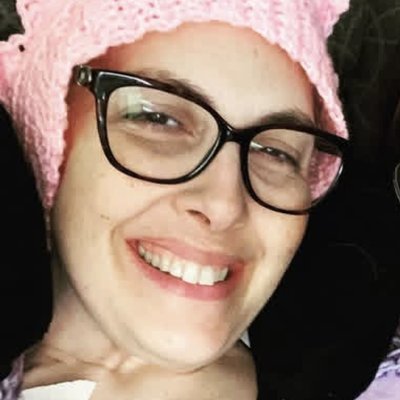
Tara is the founder of Still Here Now. Diagnosed with MS at 38 and Stage 4 breast cancer at 46, she built Rewire from the neuroscience backed tools that helped her find steady ground alongside her treatment.